Annie Ernaux's The Use of Photography: A Deep Dive into Love and Mortality
In 2021, acclaimed French author Annie Ernaux released Exteriors, a compilation of journal entries that reflect her experiences in the Parisian suburb of Cergy-Pontoise. This work diverges from Ernaux's established reputation for candid, autobiographical storytelling seen in her earlier works like Simple Passion and A Girl's Story. Rather than focusing on intimate self-reflection, Exteriors adopts a more observational stance, aiming to reveal the "mystery and opacity" of lives encountered, akin to viewing the world through a photographer's lens.
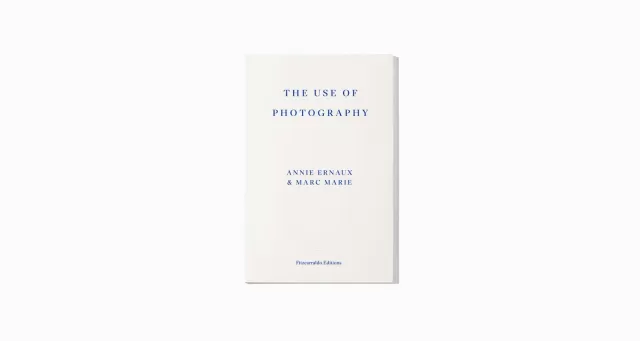
Following this foray into external observations, Ernaux returned to her trademark personal narrative style in The Use of Photography. This new work blends her introspective reflections on themes such as desire, memory, and the inevitability of death with the insights of her former partner, Marc Marie, a journalist and photographer with whom she had a passionate affair in 2003. Their dialogues enrich the narrative, intertwining their experiences of love and loss.
The trajectory of Ernaux and Marie's relationship is depicted through a collection of 14 photographs showcasing their discarded clothing in various settings, serving as remnants of their intimate moments. These visuals evoke a poignant combination of beauty and melancholy, encapsulating the fleeting nature of desire. Ernaux articulates her emotional response to these images, emphasizing her need to document "this arrangement born of desire and accident" before it vanished.
Consistent motifs, such as Ernaux's chic mules and Marie's unlaced boots, enhance the emotional depth of the narrative. Notably, all photographs are presented in black and white, despite the text mentioning colors. This choice appears deliberate, perhaps underscoring the emotional intensity of the moments captured rather than their literal details. The sexual encounters remain unseen, resonating with Roland Barthes's belief that the true essence of eroticism in photography lies in its suggestiveness rather than explicit representation.
A particularly thought-provoking element of the book is Ernaux's initial essay, which reflects on a photograph she took but opted not to include—a close-up of Marie that raises issues of privacy. This exclusion highlights her intention to shield intimate moments from public scrutiny, showcasing the delicate balance between vulnerability and exposure.
As Ernaux navigates her battle with breast cancer during their relationship, she weaves her personal struggles into the passionate interludes shared with Marie. Her candid recounting of intimacy reveals how love can act as a defiant stand against the looming specter of mortality. She openly describes her attempts to hide her illness, illustrating the complexities of balancing vulnerability with the desire for closeness.
Marie's contributions enrich the narrative, adding layers of shared memory to their bond. His reflections evoke feelings of absence and nostalgia as he contemplates his experiences alongside Ernaux's. The heartbreaking news of Marie's passing in 2022 adds another layer of emotional weight to their shared story, reminding readers of the impermanence of love and life.
In the final sections of The Use of Photography, Ernaux grapples with profound existential questions regarding death and the concept of non-being. She delves into the notion of "nothingness" that permeates her reflections, prompting readers to engage with the intricacies of existence. Through her examination of memory, intimacy, and mortality, Ernaux urges a contemplation of what it truly means to live, emphasizing the fleeting nature of life. This introspective journey resonates deeply throughout her literary legacy, highlighting the significance of capturing the essence of existence, even in its most transient moments.