Sarah Wynn-Williams' Careless People Delivers Scathing Critique of Facebook's Cultural Legacy
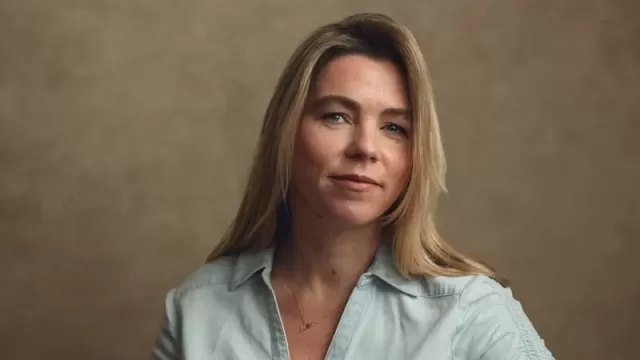
In her blistering memoir Careless People: A Story of Where I Used to Work, former Facebook insider Sarah Wynn-Williams offers a searing indictment of the social media giant, chronicling her journey from idealistic employee to disillusioned whistleblower. The book, part confessional and part cultural analysis, dissects the moral compromises and "techno-utopian hubris" she witnessed during her tenure, framing Facebook's rise as a cautionary tale for the digital age.
Wynn-Williams, who joined Facebook in 2016 as a data analyst, initially embraced the company's mission to "connect the world." Yet her account reveals a rapid erosion of faith as she grappled with the platform's role in amplifying misinformation, eroding privacy, and fostering societal polarization. With unflinching detail, she describes internal cultures of denial, where concerns about algorithmic harm were dismissed in favor of growth metrics and shareholder returns. "We were architects of a machine we couldn't control," she writes, "and worse—we pretended not to notice."
The memoir's title, Careless People, borrows from F. Scott Fitzgerald's The Great Gatsby, a nod to what Wynn-Williams calls the "reckless abandon" of Silicon Valley's elite. Chapters dissect pivotal controversies, from the Cambridge Analytica scandal to the platform's handling of hate speech, with the author alleging that leadership prioritized engagement over ethical safeguards. One particularly damning passage recounts executives shrugging off evidence of foreign election interference, dismissing it as "noise in the system."
Critics have hailed the book as a "vital antidote to Big Tech's self-mythologizing," praising its blend of personal narrative and rigorous analysis. Wynn-Williams avoids simplistic villainization, however, acknowledging her own complicity and the seductive allure of corporate perks. Her eventual "unfriending" of Facebook—both professionally and personally—unfolds as a slow reckoning, culminating in her 2022 resignation.
While some tech insiders have dismissed the memoir as "sour grapes," historians and ethicists argue it crystallizes broader anxieties about unregulated tech power. Wynn-Williams' prose shines in moments of introspection, such as her admission that she "worshiped at the altar of innovation" without questioning its human cost.
Since leaving Facebook, Wynn-Williams has become an advocate for digital accountability, lobbying for stricter data laws and algorithmic transparency. Careless People arrives as legislatures globally debate reigning in tech titans—a timing that feels both deliberate and prophetic.
As much a personal awakening as a corporate exposé, the book challenges readers to confront their own dependencies on platforms that profit from division. "Facebook didn't just change the world," Wynn-Williams concludes. "It fractured reality. And we let it happen."
For those seeking a roadmap to repair the fissures, Careless People offers no easy answers. But as a stark reminder of tech's unchecked ambitions, it's a story that demands to be heard.