Jodi Picoult's By Any Other Name: A Feminist Spin on Shakespeare
In 2010, acclaimed novelist Jodi Picoult expressed concerns about sexism in publishing. Despite addressing significant issues such as LGBTQ+ rights and gun control in her work, she felt that her novels were dismissed as light reading—an issue she believed male authors like Jonathan Franzen or Jeffrey Eugenides would not face for writing on similar themes.
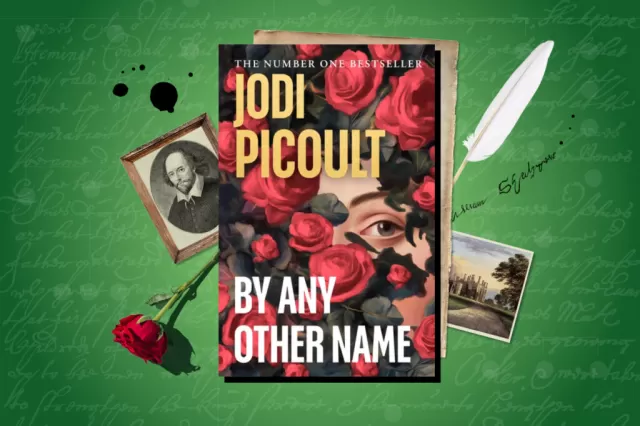
Picoult explores this frustration in her novel By Any Other Name, which offers an alternate history where Emilia Bassano, believed by some historians to be Shakespeare's "Dark Lady," is portrayed not as his lover but as the real author of his plays. The book challenges traditional notions of Shakespeare's identity, positing that his works could have been penned by a woman.
In the novel's modern storyline, Melina, a young Manhattan playwright, has been disillusioned for a decade after receiving a negative review for her first play. A descendant of Emilia Bassano, Melina writes a new play in which she argues that Bassano, not Shakespeare, was the true author of his works. Melina points out gaps in Shakespeare's background, questioning how someone without formal education or courtly exposure could have written about sophisticated subjects like royal life or European landmarks depicted in plays such as Hamlet and Othello. Emilia, who grew up in an aristocratic household and came from a family of musicians at Elizabeth I's court, seems a more fitting candidate in her eyes.
Though skepticism about Shakespeare's authorship has long been a source of amusement for conspiracy theory critics, By Any Other Name revisits the idea with a feminist lens. Picoult's Emilia, a sharp and talented writer in 16th-century England, secretly writes plays but is forced to let a man take credit for her work. She selects Will Shakespeare, depicted as a mediocre actor, to act as her front, while she continues to create behind the scenes. In her afterword, Picoult humorously notes that Shakespeare is "kind of a jerk," though this characterization may feel a bit exaggerated.
While the novel's historical sections have depth—depicting Emilia's complex life as a concubine, wife, and mother in Tudor England—the modern chapters are less compelling. Critics have suggested that the book could have benefited from tighter editing, particularly in the contemporary sections, which add little beyond a critique of modern gender dynamics in the arts.
At its core, By Any Other Name asks important questions about authorship, gender, and recognition. Although it may not fully capture the intricacies of Shakespearean genius, the novel challenges readers to rethink assumptions about who gets to be called a literary great. Picoult's ability to weave social justice themes into her storytelling is one reason she remains so popular, with 40 million books sold globally. However, her work occupies a different space than authors like Eugenides or Franzen, as Picoult balances entertainment with meaningful commentary on gender and identity in literature.