From Baghdad to Helsinki: The Harrowing Journey and Unflinching Voice of Hassan Blasim
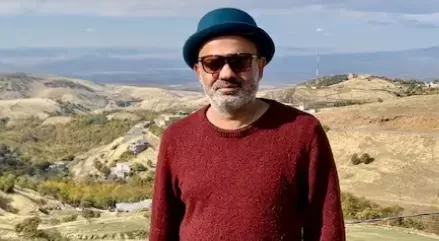
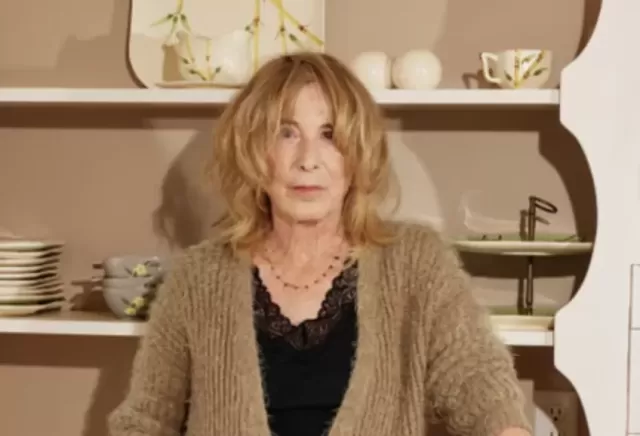
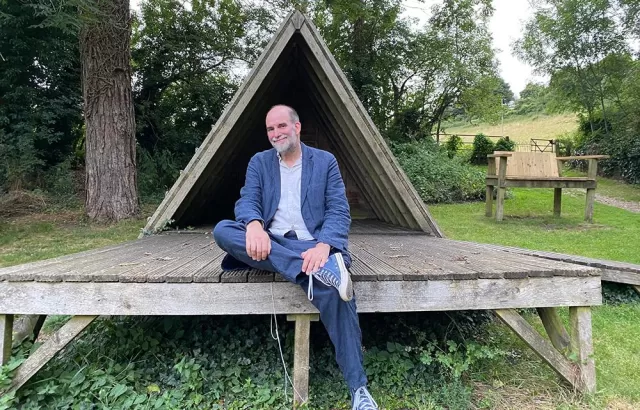
Hassan Blasim, a Helsinki-based writer, carries the weight of a journey most can only imagine. His own arduous path to Europe, a four-year trek across treacherous landscapes and through the clutches of smugglers, shapes his perspective on the ongoing debates surrounding migration and informs his powerful literary voice.
Blasim's own odyssey began in Iraq, winding through the Kurdish mountains into Iran and Turkey. He survived by navigating black markets, desperate to earn enough to pay smugglers who could guide him across borders towards a perceived sanctuary. He lost a finger along the way, a grim reminder of the brutality he encountered. Upon reaching Europe, he faced further mistreatment at the hands of border police, experiences he describes as amounting to torture.
These memories are now resurfaced by tightening border controls and anti-smuggling measures. Moreover, the rising tide of anti-immigrant sentiment in Helsinki, his city of refuge, echoes the hostile environment he fled. "The discrimination has always been there, it rises and falls depending on the politics," Blasim observes.
This lived experience fuels his unflinching writing, which explores the complex realities of displacement, violence, and the search for belonging. His latest collection of short stories, Sololand, delves into these themes with stark honesty. In The Law of Sololand, a refugee confronts a Neo-Nazi ring in a Scandinavian town, while Elias in the Land of ISIS offers a chilling glimpse into the perspective of an ISIS prisoner in Mosul. Bulbul, the final story, grapples with the Tishreen movement in Iraq, where young people took to the streets demanding an end to corruption and sectarianism.
Blasim left Baghdad in 1998 and hasn't returned since. Despite this, he felt compelled to support the 2019 protests, traveling to Iraqi-Kurdistan to amplify the voices of those demanding change. He hoped for a new era of free speech led by a young generation, but was met with disappointment and grief as the movement was brutally suppressed.
Blasim's literary prowess has not gone unnoticed. He received The Independent's Foreign Fiction Prize in 2014 for his collection The Iraqi Christ, becoming the first Arabic writer to win the award. Yet, he expresses concern about the state of Arabic fiction, lamenting its decline due to censorship and limitations imposed by states and publishing houses. "Our language is empty. It's not fighting. It's a literature that has surrendered," he states.
Born in Baghdad in 1973, Blasim's early life was shadowed by the Iran-Iraq war. He recalls a childhood defined by air raid sirens, glorification of Saddam Hussein's regime, and witnessing public executions. Despite the war, he had access to education and knowledge, thanks to his father's work and his family's appreciation for literature.
He went on to study cinema in Baghdad, but even there, he faced persecution due to his brother's political detention. This prompted his escape to the Kurdistan Region, where he adopted a Kurdish name to protect his family. He poured his experiences into his film, The Wounded Camera, chronicling the Kurdish uprisings.
Arriving in Finland in 2004, Blasim continues to write, refusing to shy away from difficult topics. He expresses deep concern for Iraqi refugees today, caught "between two fires" – fleeing violence only to encounter racism in their new homes. However, he is also troubled by declining living standards in Helsinki, where poverty leaves little room for art and culture.
Despite the challenges, Blasim remains a vital voice, reminding us of the human cost of conflict, displacement, and the corrosive effects of fear and division. He may feel powerless in the face of overwhelming political forces, but his writing serves as a powerful testament to the resilience of the human spirit and the enduring need for empathy and understanding.